

Last Updated on June 17, 2026
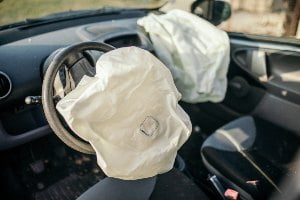
Imagine you’re driving and suddenly face a crash. In that split second, your car’s airbags spring into action, protecting you from serious injury.
But have you ever wondered how airbags know when to deploy? Understanding this life-saving technology can give you peace of mind every time you get behind the wheel. You’ll discover exactly how airbags work during an accident and why they’re a crucial part of your safety.
Keep reading—this knowledge could make all the difference when it matters most.
Credit: www.gallowayjefcoat.com
Crash Sensors
Airbags keep drivers and passengers safe during accidents. Crash sensors detect collisions quickly. These sensors send signals to deploy airbags at the right time.
Crash sensors are vital parts of the airbag system. They help protect people by activating airbags instantly in a crash.
Types Of Sensors
There are different types of crash sensors in cars. Each type senses impact in its own way. Together, they help detect a crash accurately.
- Accelerometer Sensors:Measure sudden changes in speed during a crash.
- Pressure Sensors:Detect pressure changes inside the car frame.
- Gyroscopic Sensors:Sense rotation or angular movement in a crash.
- Impact Sensors:Located at the front and sides to detect collision force.
Trigger Mechanisms
Trigger mechanisms activate airbags after sensors detect a crash. The system decides if the impact is strong enough. Then it sends an electric signal to inflate airbags.
Airbags inflate in milliseconds to protect passengers. The trigger system works fast to reduce injury during a collision.
Inflation Process
Airbags inflate quickly to protect passengers during an accident. The inflation process starts the moment the crash sensors detect a collision.
The system uses a rapid chemical reaction to fill the airbag with gas. This process happens in just milliseconds to reduce injury.
Gas Generation
The airbag inflates by generating gas inside the bag. This gas is created by a chemical reaction triggered by an electric signal.
- The sensor sends an electric signal when a crash occurs.
- The inflator ignites a small amount of solid propellant.
- The propellant burns quickly and produces nitrogen gas.
- The gas fills the airbag, causing it to expand rapidly.
- The bag inflates fully to cushion the passenger.
Timing And Speed
Timing and speed are critical for airbag effectiveness. The bag must inflate before the passenger hits the steering wheel or dashboard.
| Stage | Time after Crash | Description |
| Detection | 0-5 milliseconds | Sensors detect impact and send signal |
| Gas Generation | 5-20 milliseconds | Propellant ignites and gas inflates airbag |
| Full Inflation | 20-50 milliseconds | Airbag fully inflates to protect passenger |
| Deflation | After 50 milliseconds | Airbag slowly deflates to absorb energy |
Airbag Design
Airbags are safety devices that inflate during accidents. They help protect passengers by reducing impact forces.
The design of airbags focuses on materials and where they are placed in vehicles. This ensures fast and effective deployment.
Materials Used
Airbags are made from strong, lightweight fabrics that can inflate quickly without tearing. The main material is nylon fabric coated with silicone or neoprene.
- Nylon fabric for durability and flexibility
- Silicone or neoprene coating to make airbags airtight
- Inflator chemicals that produce gas rapidly
- Metal housing to protect the airbag components
Placement In Vehicles
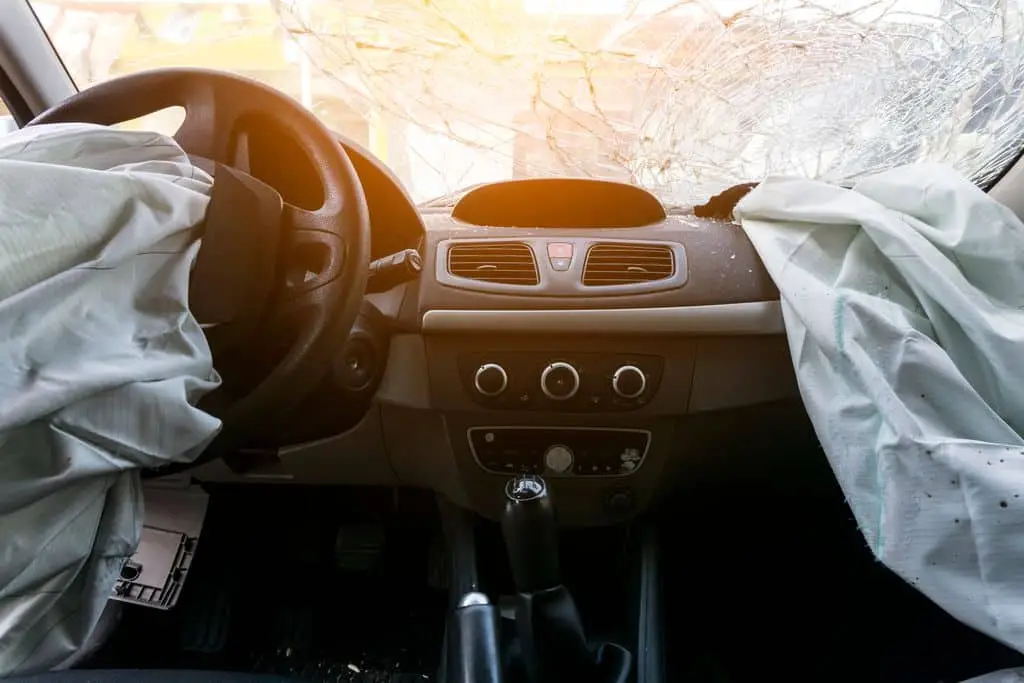
Airbags are placed in key areas inside the car to protect different parts of the body during crashes.
| Airbag Location | Purpose |
| Steering Wheel | Protects the driver’s head and chest |
| Dashboard | Protects the front passenger |
| Side Doors | Protects the torso and pelvis during side impacts |
| Roof Rails | Protects the head in rollover crashes |

Credit: alltechmagazine.com
Safety Impact
Airbags are important safety features in cars. They help protect people during crashes. Airbags deploy fast to reduce injuries.
They work by inflating with air when a collision happens. This helps to cushion the impact and protect the head and chest.
Injury Reduction
Airbags lower the risk of serious injuries in accidents. They reduce the force of hitting the steering wheel or dashboard.
They mainly protect the head, neck, and chest. Airbags work with seat belts to keep people safer.
- Reduce head injuries by softening the impact
- Protect the chest from hitting hard surfaces
- Help prevent neck and spine injuries
- Work best when used with seat belts
Limitations And Risks
Airbags do not protect everyone perfectly. Small children and short adults can be hurt by airbags.
Airbags can cause burns or bruises when they deploy. They work only in certain types of crashes.
- May injure children or small passengers
- Can cause minor burns or bruises
- Do not deploy in all accidents
- Must be used with seat belts for best safety
Credit: www.tortslaw.com
Frequently Asked Questions
How Do Airbags Detect A Collision?
Airbags use sensors to detect sudden stops or impacts and trigger deployment instantly.
What Triggers Airbags To Deploy In Accidents?
Rapid deceleration or strong impact signals the airbag system to activate and inflate.
How Fast Do Airbags Inflate During A Crash?
Airbags inflate within 20 to 30 milliseconds after detecting a crash.
Can Airbags Deploy In Minor Accidents?
Airbags usually deploy only in moderate to severe crashes to protect passengers.
Are Airbags Reusable After Deployment?
No, airbags must be replaced after deployment for safety in future accidents.
Conclusion
Airbags help protect drivers and passengers during crashes. Sensors detect sudden stops or impacts fast. These sensors trigger the airbag to inflate instantly. The airbag cushions the body, reducing injury risks. Seatbelts and airbags work best as a team. Always check that your airbags are working well.
Understanding airbags shows how safety features save lives. Stay informed and drive carefully to stay safe. Safety technology keeps improving every year. Your safety matters most on the road.