

Last Updated on June 17, 2026
Have you ever felt your car suddenly slide or lose control on a wet road? That scary moment is called aquaplaning, and it can happen to anyone—maybe even you.
Understanding what aquaplaning is and how to prevent it could save your life and keep you safe behind the wheel. You’ll discover exactly how aquaplaning works and the simple steps you can take right now to avoid it. Keep reading to protect yourself and your loved ones every time you drive in the rain.
Causes Of Aquaplaning
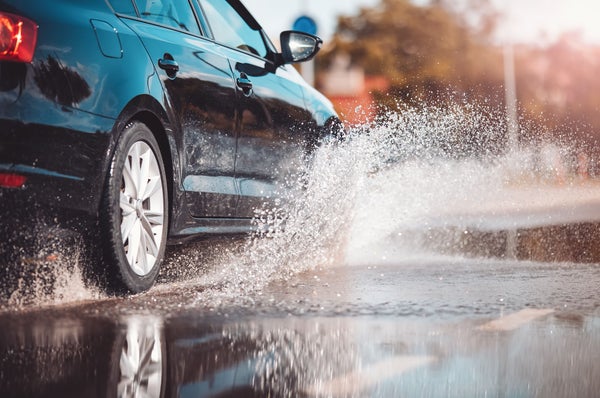
Aquaplaning happens when a car’s tires lose contact with the road. This occurs as water builds up between the tires and the road surface.
Understanding what causes aquaplaning helps drivers stay safe and avoid losing control of their vehicles.
Water And Tire Interaction
Tires need to push water away to keep contact with the road. When water builds up too fast, the tires cannot clear it. This causes the car to slide on the water layer.
- Heavy rain increases water on the road.
- Low spots on roads collect more water.
- Wide tires may have trouble clearing water quickly.
- High water depth reduces tire grip.
Speed And Road Conditions
Faster speeds give tires less time to remove water. This raises the risk of aquaplaning. Road conditions also matter, such as smooth or worn pavement.
| Speed | Road Type | Aquaplaning Risk |
|---|---|---|
| Slow | Rough, textured | Low |
| Fast | Rough, textured | Medium |
| Slow | Smooth, worn | Medium |
| Fast | Smooth, worn | High |
Tire Tread And Pressure
Tire tread helps remove water from the road. Worn or shallow tread lowers this ability. Tire pressure also affects contact with the road.
- Deep tread channels water away better.
- Worn tires hold less water and slip more easily.
- Proper tire pressure keeps the tire firmly on the road.
- Under-inflated tires increase aquaplaning risk.
Credit: www.uniroyal-tyres.com
Signs Of Aquaplaning
Aquaplaning happens when tires lose contact with the road. Water builds up under the tires. This causes a loss of control. Knowing the signs helps you stay safe.
Detecting aquaplaning early lets you react quickly. Watch for changes in steering and vehicle movement. These signs warn you that your car is sliding on water.
Loss Of Steering Control
You may notice the steering wheel feels loose or light. The car might not respond when you turn the wheel. This happens because tires are not gripping the road.
Try to keep calm and avoid sharp turns. The steering loss means the car is gliding over water. Steering control usually returns when tires regain contact.
Unusual Vehicle Movements
The car may move side to side without your input. It can feel like the vehicle is floating. Sudden sliding or drifting is a clear sign of aquaplaning.
- Car drifts to one side unexpectedly
- Sudden, smooth sliding on wet roads
- Feeling of floating or loss of traction
Preventing Aquaplaning
Aquaplaning happens when your tires lose contact with the road. Water builds up under your tires and causes slipping.
It is important to take steps to avoid aquaplaning for safe driving in wet conditions.
Maintain Proper Tire Condition
Good tires help prevent aquaplaning. Check your tire tread and pressure often. Worn tires cannot clear water well.
| Tire Aspect | Recommended Condition |
| Tread Depth | At least 3 mm |
| Tire Pressure | Follow vehicle manual |
| Tire Type | Use tires suitable for wet roads |
Drive At Safe Speeds
Driving too fast on wet roads raises the risk of aquaplaning. Slow down to keep control of your vehicle.
- Check weather and road conditions before driving.
- Reduce speed when you see standing water.
- Follow speed limits designed for wet conditions.
Avoid Sudden Movements
Sudden turns, braking, or accelerating can cause your car to slip. Make smooth and gentle movements to stay safe.
- Brake gradually to avoid locking wheels.
- Steer smoothly to prevent tire slip.
- Accelerate slowly to keep traction.

Credit: www.whocanfixmycar.com
Emergency Actions During Aquaplaning
Aquaplaning happens when your tires lose contact with the road. This makes steering and braking hard. Knowing what to do can keep you safe.
Quick and calm actions help you regain control of your vehicle. Follow simple steps to handle aquaplaning safely.
Stay Calm And Ease Off The Pedal
Do not panic or slam the brakes. Take your foot off the gas pedal slowly. This reduces speed without causing sudden changes.
Steer Gently To Regain Control
Use soft, smooth movements to steer the car. Sharp turns can make the loss of control worse. Keep your hands steady on the wheel.
- Look straight ahead where you want to go
- Turn the wheel gently in that direction
- Avoid sudden or large steering movements
- Wait for tires to touch the road again
Avoid Braking Abruptly
Braking hard can cause the car to skid or spin. Use gentle pressure on the brakes if needed. In some cases, it is safer not to brake at all.
| Action | Effect |
| Ease off gas pedal | Reduces speed smoothly |
| Steer gently | Helps regain control |
| Avoid hard braking | Prevents skidding or spinning |
Credit: www.continental-tires.com
Frequently Asked Questions
What Is Aquaplaning In Driving?
Aquaplaning happens when tires lose grip on wet roads. The car slides on water, causing loss of control.
How Does Aquaplaning Affect Vehicle Safety?
It makes steering and braking hard. Drivers can easily lose control, leading to accidents.
What Factors Increase The Risk Of Aquaplaning?
High speed, worn tires, and deep water raise aquaplaning chances. Road slope also matters.
How Can I Prevent My Car From Aquaplaning?
Drive slower on wet roads, keep tires in good shape, and avoid puddles or standing water.
What Should I Do If My Car Starts To Aquaplane?
Stay calm, gently lift your foot off the gas, and steer straight until you regain control.
Conclusion
Aquaplaning can be dangerous on wet roads. Drive slowly to keep control. Check your tire tread often for safety. Avoid sudden turns or hard braking in rain. Stay alert and keep a firm grip on the wheel. Safe driving habits help prevent accidents caused by aquaplaning.
Remember, staying cautious saves lives.